NYACP Advocacy Interns
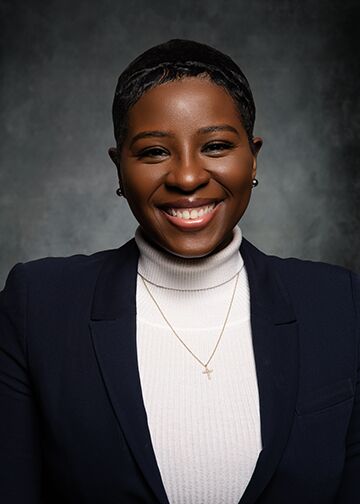 Pascale Lafortune, MD, Northwell LIJ/Hospice and Palliative Care Fellow
My path to medicine was grounded in a love of science and a dedication to guiding patients through their health challenges. I grew up in the heart of Brooklyn, New York- in a neighborhood that was disproportionally affected by the COVID-19 pandemic. The pandemic highlighted structural resource deficiencies within neighborhoods bearing higher disease burden, financial instability, and food insecurity. I believed becoming a physician would reinforce my commitment to providing patient centered care and learning how to advocate for equitable care. While this commitment began as a personal aspiration, I quickly realized that practicing medicine also demands awareness of the political and systemic factors that shape patient care.
Practicing medicine requires practitioners to be cognizant of the political aspects that have implications on how medicine can be practiced. I quickly learned during my Internal Medicine residency training that medicine cannot be practiced in silos. I realized that effective advocacy goes beyond the bedside—it requires an in-depth review of new legislations, an understanding institutional policy, and an awareness of key stakeholders to create systems that empower patients, foster trust, and ensure equitable access to high-quality care. Meaningful change comes with understanding the logistics of health policy and legislation. I am grateful for the opportunity to participate in the NYACP Advocacy Internship. My goal is to build a foundational understanding of the current and development of processes involved in shaping health policies and legislation. I look forward to having hands-on experience of how legislation affects health care through understanding budgeting, operational laws, interpretations of laws, and so much more.
I aspire to develop the knowledge and skills needed to effectively engage with key stakeholders to advance equitable health care. My passion is advocating for the underserved and vulnerable populations. Having completed a Palliative and Hospice Medicine fellowship and on the verge of completing a Geriatrics Medicine fellowship, I have come to learn that these populations are increasing at rates faster than the resources needed to support their care. Many elderly people are living longer with more comorbidities which require increased assistance from families who have taken on the role of caregiver. Long term care is fragmented in the face of severe staff shortages to nursing homes, which has an impact on quality of care, which can lead to subsequent hospitalizations. I am interested in exploring how New York State supports nursing home infrastructure through legislation and health care policy.
Understanding legislation would empower me to understand structural drivers of inequity – especially within the disciplines of Geriatrics and Palliative Medicine. I aspire to become a leader who advocates for equitable health care for vulnerable and marginalized populations. Building a strong foundation in health policy and legislation will empower me to navigate the health care system effectively while appreciating the perspectives and priorities of key stakeholders. I am looking forward to being able to translate evidence and compassion into meaningful action, bridging the gap between clinical care and systemic change to advance equitable, patient-centered outcomes.
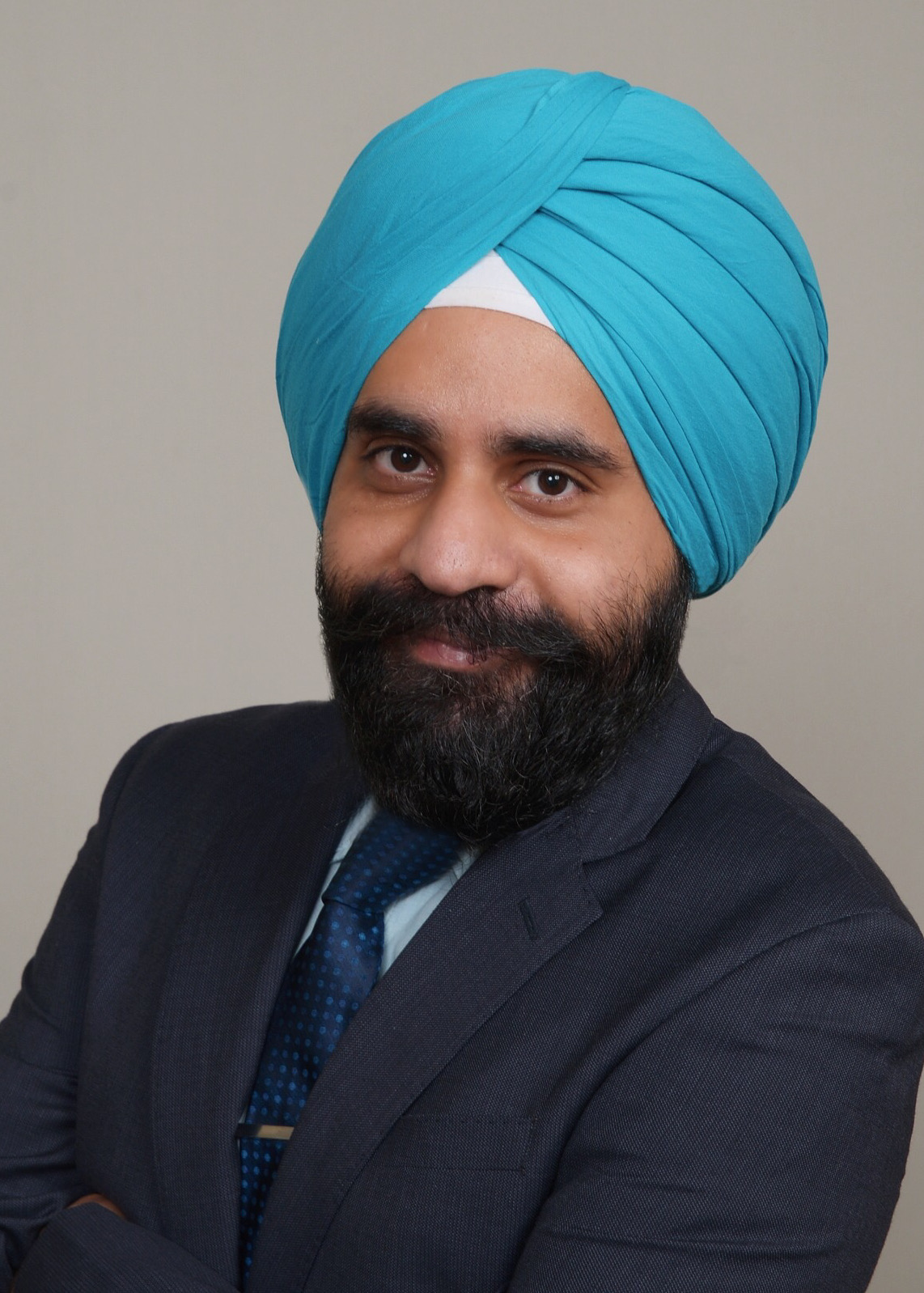 Gurpreet Singh, MD, Geriatric Fellow, Zucker School of Medicine
As a geriatric fellow and primary care physician, I care for older adults who often have multiple medical conditions, functional limitations, and social challenges. In my daily practice, I see how health policies directly affect the care my patients receive, especially preventive services covered under Medicare. While Medicare provides coverage for many preventive benefits, including screenings, vaccinations, and annual wellness visits, many older adults still face significant barriers to accessing these services. Common obstacles include transportation difficulties, short clinic visits, fragmented care across multiple providers, and limited caregiver support. Through participation in this program, I hope to gain a deeper understanding of how health policies are developed and how they influence the real-life delivery of care for older adults.
One of my main expectations is to understand how health policy is shaped at the state level and how decisions made by lawmakers and state agencies impact primary care and geriatric practice. I want to learn how healthcare priorities are determined, how funding decisions are made, and how policies are translated into regulations that affect daily clinical work. Understanding this process will help me recognize why gaps in preventive care persist despite strong clinical evidence and well-intentioned policies. By seeing how policy decisions are made, I hope to gain insight into the challenges of implementing change in complex healthcare systems.
I also expect this program to help me develop skills in health policy analysis and communication. As a physician, I often see problems at the bedside but have limited knowledge of how to address them at the policy level. I want to learn how to clearly explain clinical challenges—such as limited time for preventive counseling, poor care coordination, and barriers related to social and functional needs—in a way that informs policy discussions. Strengthening these skills will allow me to advocate more effectively for older adults within healthcare systems, professional organizations, and community settings. I hope to gain experience in analyzing policies critically, identifying gaps, and suggesting evidence-based solutions that are feasible and meaningful.
Another important goal is to understand how policies related to Medicare preventive services affect older adults with complex needs. Many of my patients have cognitive impairment, take multiple medications, or rely on caregivers for daily support. These factors often make preventive care more difficult to deliver and follow. Short clinic visits, inadequate reimbursement for comprehensive geriatric assessments, and fragmented care among multiple specialists further limit the ability to provide meaningful preventive discussions. I hope to learn how policies can better support primary care and comprehensive geriatric care by improving care coordination, expanding access to supportive services, and addressing social determinants of health such as isolation or lack of caregiver support.
Ultimately, I expect this program to help me grow as a physician advocate for healthy aging. By gaining a clearer understanding of the policy process, I hope to bridge the gap between clinical care and health policy. This experience will equip me with the knowledge and skills to support policies that prioritize prevention, improve care delivery for older adults, and promote equity in healthcare. As a geriatric fellow and primary care physician, my goal is to use this experience to better serve my patients and contribute to a healthcare system that supports aging with dignity, safety, and quality of life.