Reflections from NYACP Advocacy Interns
 Outgoing Reflection Essay
Pascale Lafortune, MD
When I started the NYACP Advocacy Internship, I wanted to have a better understanding of how health policy shapes the care we provide at the bedside. I leave this experience with a deeper appreciation of how research, physician engagement, and legislative advocacy works together to address public health needs. Most importantly, I have learned that meaningful change in medicine requires not only clinical expertise, but also active participation in shaping the systems that deliver care.
Throughout this internship, I came to understand how evidence guides legislative priorities. Research is not merely academic—it is a powerful tool that identifies gaps in care, quantifies disparities, and frames issues in ways that policymakers can act on. Whether examining workforce shortages in nursing homes, disparities in dementia diagnosis/care, or barriers to accessing palliative care, data provides credibility and urgency. Translating clinical observations into measurable outcomes is what transforms anecdotes into relevant policies.
As someone training in Geriatrics Medicine and having completed my training in Hospice and Palliative Medicine, this lesson felt particularly personal. I have witnessed firsthand how chronic understaffing in nursing homes compromises safety and disproportionately affects residents insured by Medicaid. During this internship, I began to see how workforce data, quality metrics, and health equity research can support legislative efforts to strengthen long-term care infrastructure. Research does not exist in isolation; it becomes the driving force for reform when physicians step forward to evaluate the findings and speak on their real-world implications.
This experience also reinforced the critical need for physician participation in advocacy given their clinical expertise. When we engage with policymakers, we provide insight into how legislation translates into practice—how reimbursement structures influence staffing, how regulatory mandates affect workflow, and how resource allocation impacts patient outcomes. I learned that advocacy is a professional responsibility rooted in our commitment to patients’ wellbeing.
Importantly, I gained a clearer understanding of how public health needs remain a point of discussion through sustained engagement. Effective advocacy requires preparation by reviewing bills, understanding budgetary constraints, and identifying stakeholders. It requires persistence and collaboration. These processes demonstrate that legislative change is achievable when supported by evidence and amplified by physician voices.
This internship expanded my view of leadership. Leadership in medicine extends beyond clinical experience. It involves bridging the gap between research and reform. It requires translating disparities into legislative priorities and ensuring that vulnerable populations are not forgotten during policy discussions.
As I move forward in my career, I carry with me the understanding that research can illuminate need, but advocacy transforms knowledge into action. I am committed to continuing this work—leveraging evidence, engaging stakeholders, and participating in policy conversations that advance equitable, patient-centered care. The NYACP Advocacy Internship has affirmed my responsibility to contribute to systemic change that meets the evolving public health needs of our communities.
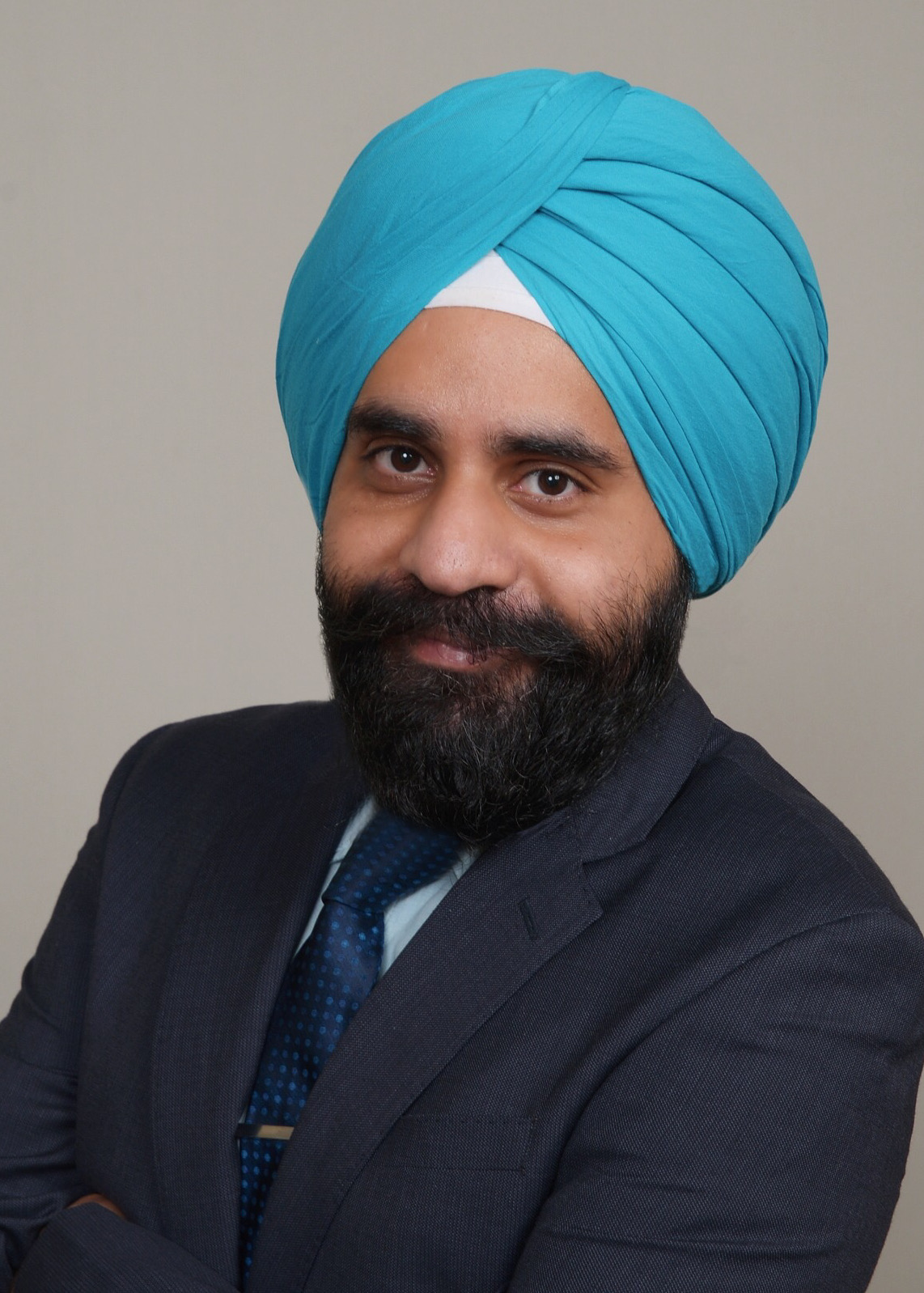 Outgoing Reflection Essay
Gunpreet Singh, MD
When I started this program, my goal was to understand how health policies are developed and how they influence the care of older adults, particularly regarding Medicare preventive services. As a geriatric fellow and primary care physician, I noticed gaps between what is covered and what patients can actually access. Many face barriers such as transportation difficulties, fragmented care, short clinic visits, and limited caregiver support. This program gave me the opportunity to explore these challenges from a policy and advocacy perspective.
One of the most valuable experiences was participating in State Watch, where I learned how new bills are introduced, tracked, and amended. Observing the legislative progress in real time showed me that policy change is continuous and gradual. This helped me understand how healthcare priorities are set and why gaps in preventive care persist despite strong evidence and good intentions.
I also attended ad hoc meetings, and the New York Step Therapy Alliance meeting, which illustrated the collaborative nature of advocacy. These sessions demonstrated how discussion, negotiation, and consensus-building among clinicians, advocacy groups, and policymakers are critical before policies move forward. I gained a clearer appreciation for how physicians’ perspectives can influence meaningful change.
I also learned about the Primary Care Development Corporation (PCDC) and how it supports clinics, funds innovative care models, and influences policy to improve patient access. Observing how organizations like PCDC operate behind the scenes helped me understand how advocacy can translate into real-world improvements in care delivery.
Another key aspect of my experience was participating in a podcast, which helped me develop skills in translating complex policy issues into clear, patient-centered messages. This reinforced the importance of communicating clinical realities—such as time constraints, fragmented care, and social barriers—in ways that inform both policy and public understanding.
Overall, this program exceeded my expectations. I learned that advocacy is stepwise, requiring patience, persistence, and collaboration. I gained insight into the ways policies can be designed to address real-world challenges and how physicians can help bridge the gap between clinical care and policy. The experience strengthened my commitment to advocating for older adults and highlighted the importance of physician engagement in shaping a healthcare system that supports prevention, equity, and healthy aging.